


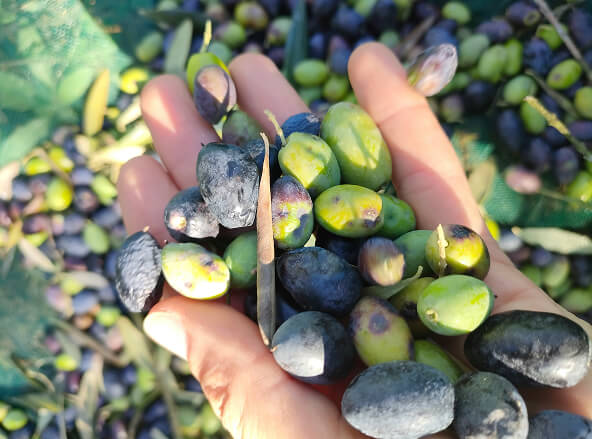

PDO olive oils: why does each one have its own flavour?
French olive oils have distinct flavours due to three factors: the olive variety (around a hundred are grown in France), the terroir (climate, soil, ripeness of the olives) and the miller’s expertise (harvesting, blending, pressing).
The nine PDO olive oils from France formalise this unique link between a variety, a region and expertise within a set of specifications monitored by the INAO.
Olive oil doesn’t have just one flavour, but many.
Biodiversity, varied terroirs, specific expertise… French olive oils are as diverse as they are unique. That is why we do not speak of olive oil in the singular, but in the plural, and it is precisely this diversity that the Protected Designations of Origin (PDO) are dedicated to protecting and showcasing.
France currently has nine olive oils with PDO status — Nyons, Provence, Vallée des Baux-de-Provence, Aix-en-Provence, Haute-Provence, Nice, Nîmes, Corsica and Languedoc — to which are added PDO designations for table olives and olive paste. Each one is a flavourful expression of a terroir and the varieties that have been rooted there for centuries.
French olive oils offer an extremely varied palette of flavours, owing to:
- the existence of numerous varieties: over 1,000 worldwide and more than a hundred in France, endemic to regions of varying sizes;
- diverse terroirs, each with its own specific climatic and geological conditions;
- specific expertise.

Olive tree varieties: the aromatic DNA of the 9 PDO
The primary factor in the aromatic profile of olive oils is the choice of varieties. France is home to around a hundred olive varieties, each associated with a specific growing region.
This largely explains the distribution of designations: each PDO is based on the varieties historically established in its territory, as set out in its specifications. The PDO thus restricts the designation to varieties recognised as having been established for a very long time within the defined territory; this is what enables, in particular, the preservation of France’s olive variety heritage.
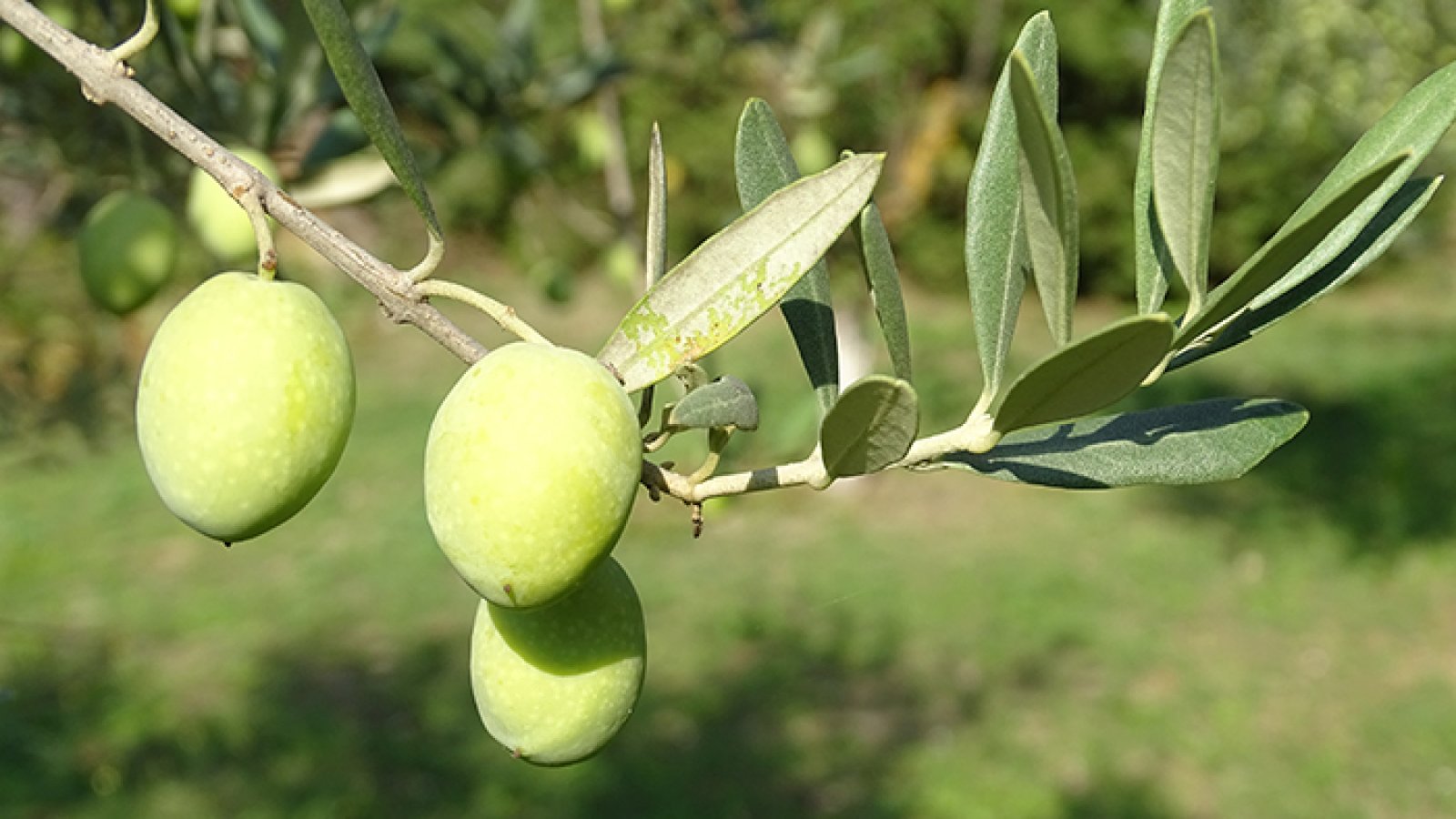
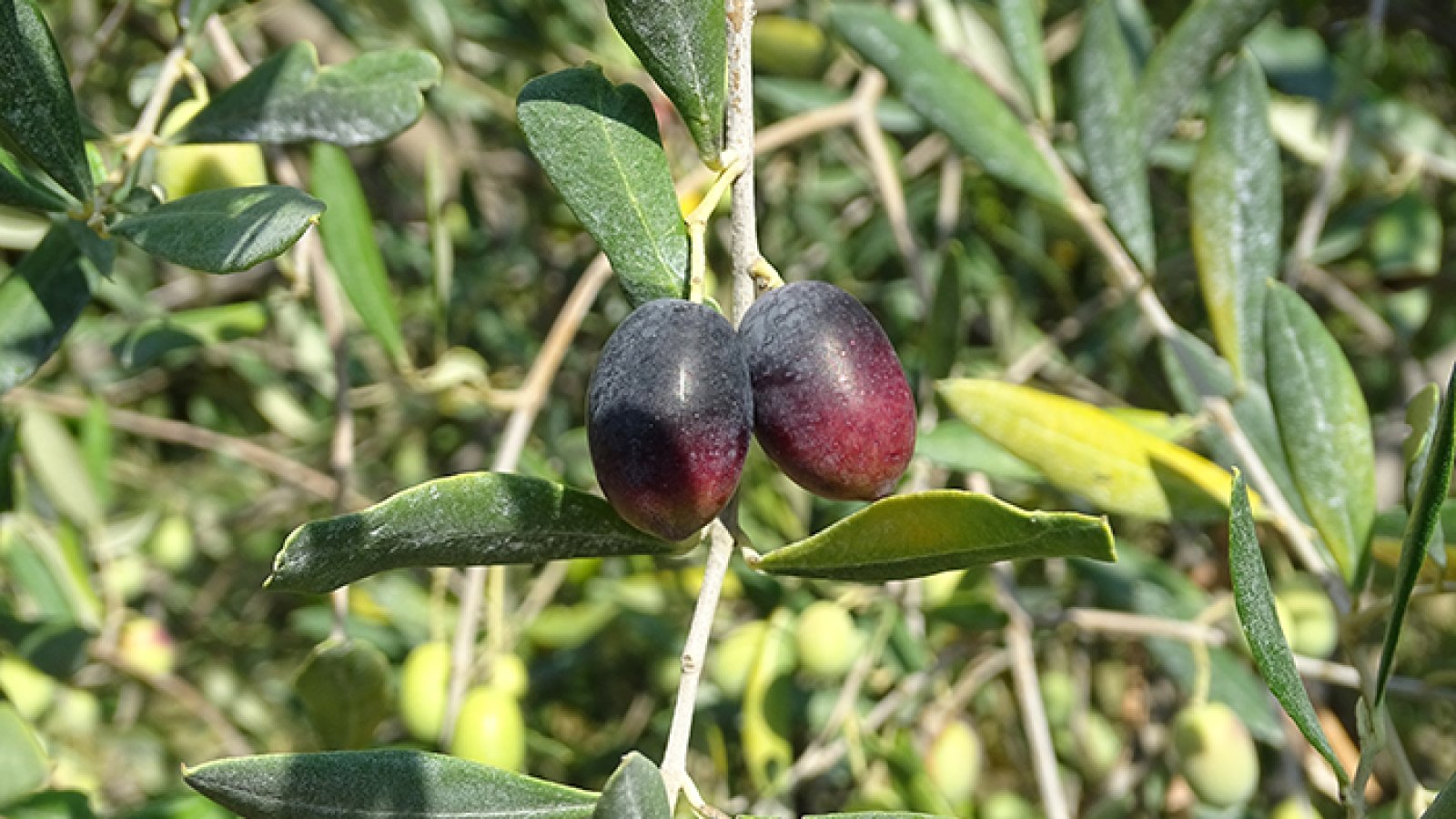
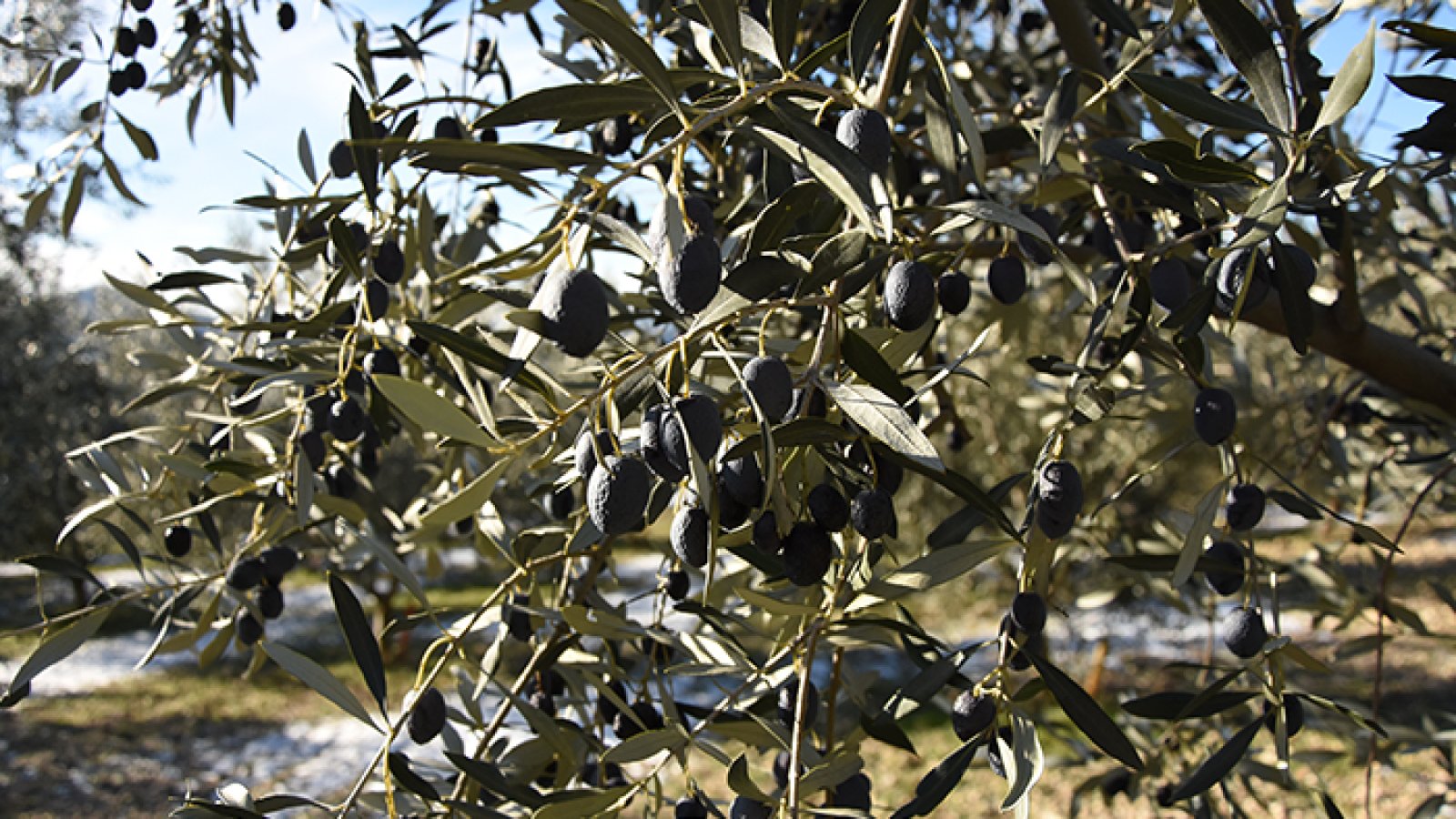
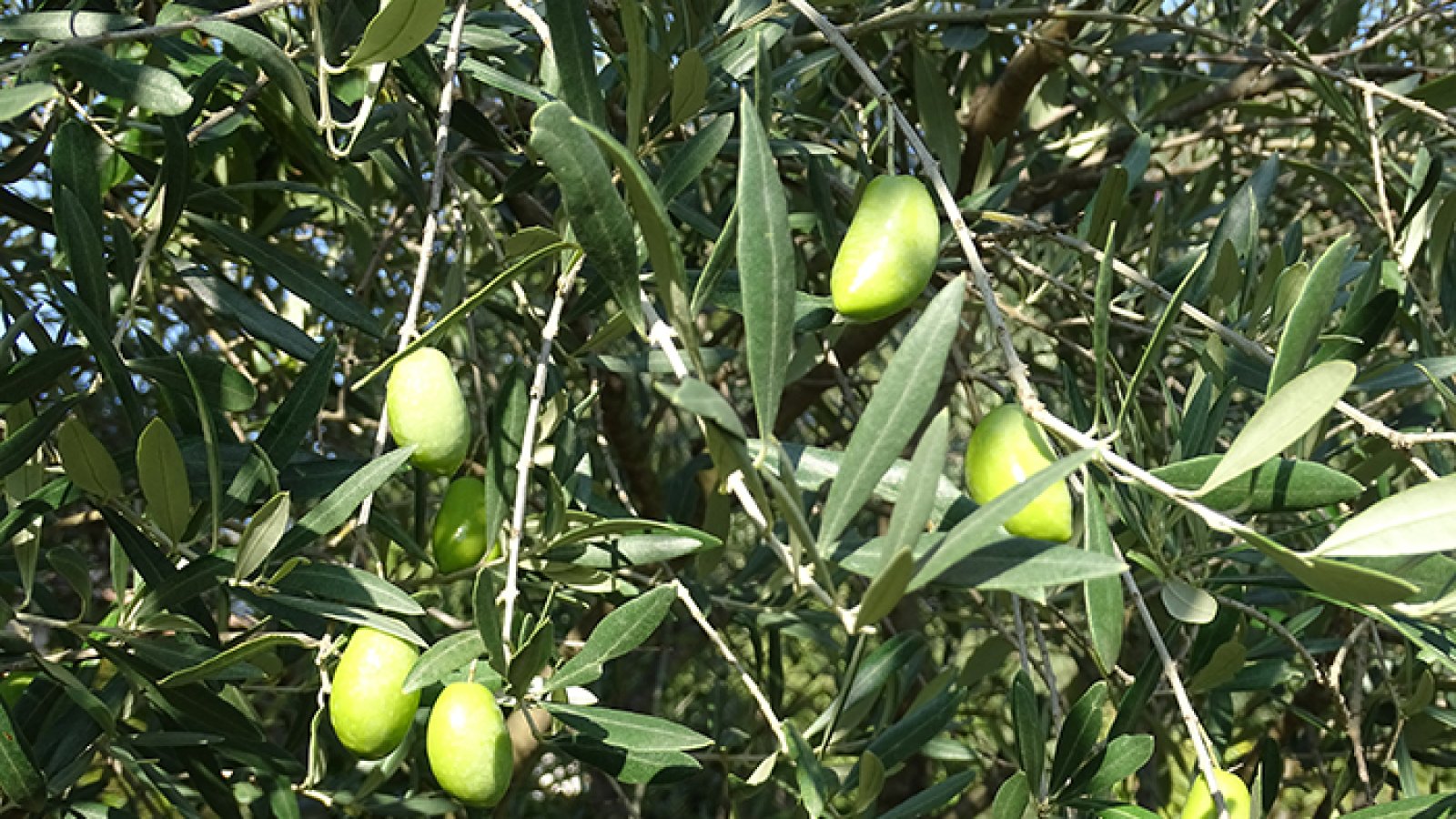
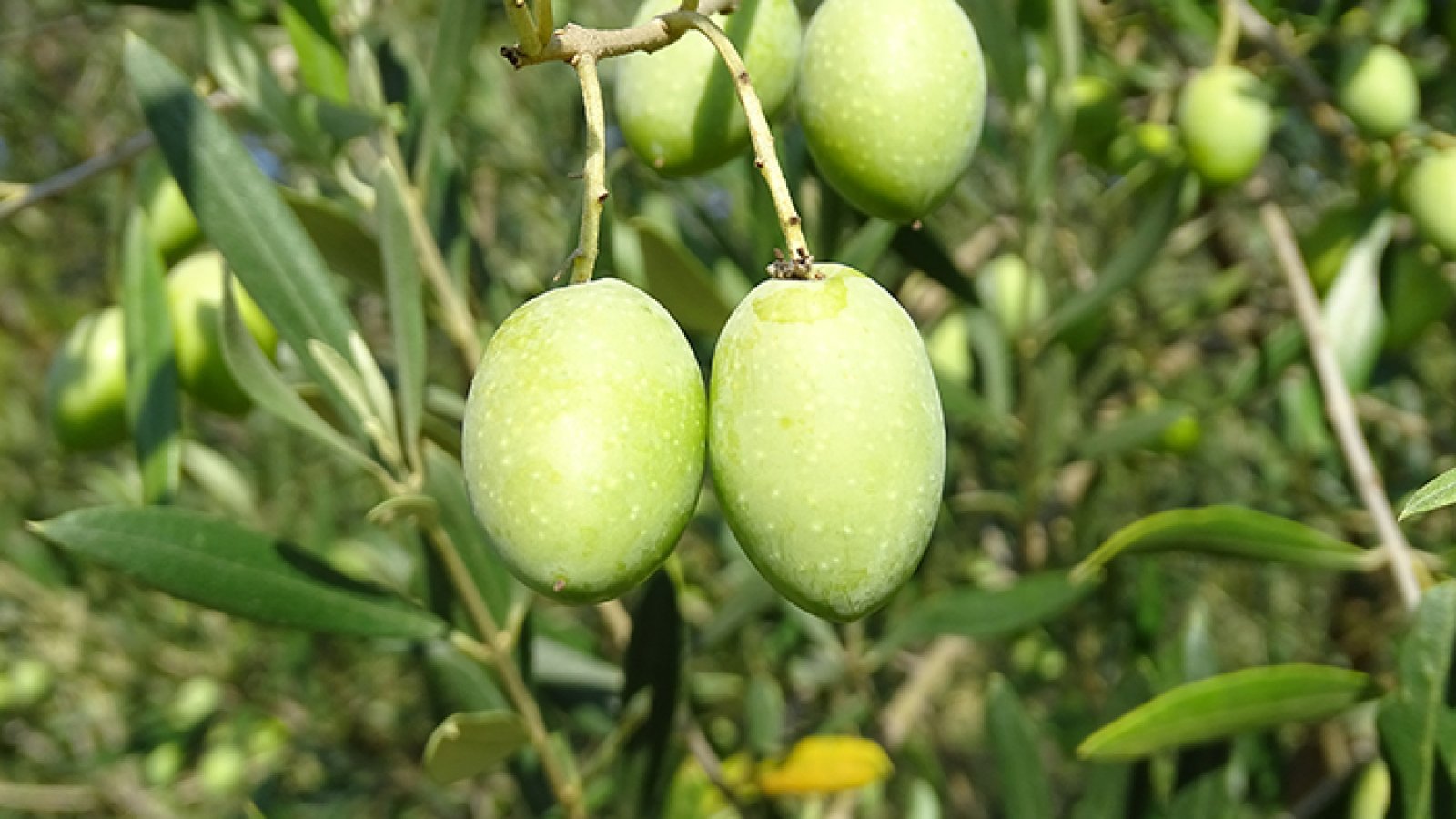
Here are the iconic varieties of the 9 PDO olive oils from France:
|
Variety |
Region |
Reference PDO |
Typical aromatic profile |
|
|
Aglandau (known as Béruguette in the Alpilles) |
Alpes-de-Haute-Provence, Vaucluse, Bouches-du-Rhône, Gard |
Haute-Provence (main variety > 80%), Aix-en-Provence, Vallée-des-Baux-de-Provence |
Dominant aromas of artichoke, almond and sometimes pear, with varying degrees of bitterness and pungency. |
|
|
Bouteillan |
Var, Bouches-du-Rhône, Alpes-de-Haute-Provence, Gard, Hérault, Aude |
Provence |
Herbal, with intense grassy aromas (grass, leaves), featuring notes of raw artichoke, almond, green banana and fresh hay, evolving towards ripe pear depending on the degree of ripeness. |
|
|
Cailletier |
Alpes-Maritimes |
Nice (≥ 95 per cent) |
Mild, with dominant aromas of almond, yellow flowers and hazelnut. |
|
|
Cayanne |
Bouches-du-Rhône |
Aix-en-Provence |
Sweet, delicate and well-balanced, with dominant aromas of cooked quinces. |
|
|
Cayon |
Var (primarily), Drôme, Hérault, Aude |
Provence |
Beautiful aromatic complexity with fresh notes of cut grass, artichoke leaves and green tomato, and a slight hint of almond and pepper on the finish. |
|
|
Grossane |
Bouches-du-Rhône, Var, Gard. |
Baux-de-Provence Valley |
Notes of grapefruit and tomato, without any harshness or bitterness |
|
|
Lucques |
Aude, Hérault |
Languedoc |
Mellow, with delicate notes of tomato, almond, fresh hay, apple and fresh almond. |
|
|
Négrette |
Gard |
Nîmes (secondary variety) |
Refined and sweet, with delicate notes of almond or hazelnut, sometimes complemented by a peppery undertone. |
|
|
Olivière |
Aude, Hérault, Pyrénées-Orientales |
Languedoc |
Herbal and mild, with dominant tomato aromas accompanied by notes of almond, grass, leaves, fresh hay and raw artichoke. |
|
|
Salonenque |
Bouches-du-Rhône, Var |
Baux-de-Provence Valley |
Notes of artichoke, hazelnut and apple, with very pronounced vegetal notes. |
|
|
Picholine |
Gard, Hérault, Bouches-du-Rhône, Vaucluse, Var |
Nîmes (main variety) |
Herbal, with pronounced bitterness and medium pungency, dominated by aromas of plum and almond accompanied by notes of grass, leaves, fresh hay and apple. |
|
|
Sabine |
Corsica (mainly Haute-Corse) |
Corsica – Oliu di Corsica |
Mild with notes of dried fruit (almond, hazelnut), sometimes floral (maquis). |
|
|
Tanche |
Drôme (south) and northern Vaucluse |
Nyons |
Mild, with dominant aromas of walnuts and hazelnuts, with buttery notes on the finish. |
|
|
Ghjermana |
Corsica (mainly Southern Corsica) |
Corsica – Oliu di Corsica |
Light and floral, with hints of artichoke. |
|
|
Verdale from the Bouches-du-Rhône |
Bouches-du-Rhône |
Vallée des Baux-de-Provence |
Very mild, light, with subtle green and pastry notes. |
|
|
Zinzala |
Corsica |
Corsica – Oliu di Corsica |
Fruity, with notes of sun-dried tomatoes and aromatic herbs. |
|
… and many other local varieties, each of which finds its place in the appellations’ blends or single-varietal oils.
As with all fruits, each olive variety has its own distinctive organoleptic characteristics that give olive oil – pure fruit juice – its flavour. And this is proof that the PDO is not a constraint, but a hallmark: by choosing an oil from Nyons, Nice or Corsica, you know exactly which aromatic profile to expect.
Terroir: when PDO maps out flavours
Terroir plays a decisive role in the flavour of olive oils, to the extent that the geographical area of an PDO is precisely defined on the basis of it. An PDO guarantees that the olives are harvested and pressed, and that the oil is produced, within a specific geographical area: no other labelling system guarantees such a close link between origin and product.

What defines terroir?
Terroir is not just a geographical area; it is a combination of factors, including:
Climatic conditions
Over time, the climate of a production area shapes the characteristics of each variety. The olive tree requires around 300 hours of winter chill for good flowering in spring, and the sunshine in the months leading up to the harvest helps the fruit to develop its aromas. Summer drought, the prevailing wind (Mistral, Tramontane), and the difference between day and night temperatures (temperature range) thus create distinct profiles: an Aglandau grown on the slopes of the Ventoux will not express exactly the same aromas as one grown in the Alpes de Haute-Provence. The climate has also dictated the geographical areas covered by PDO: each appellation corresponds to a zone with a consistent climate.
The weather
Quite distinct from the climate, the weather conditions throughout the year have a significant impact on the vintage: spring rains, summer heatwaves or late frosts alter the yield and the profile of the harvest. As with wine, olive oil retains its general structure, but each year has its own characteristics.
Soil geology
The soils from which the olive tree draws its water and minerals have a direct influence on the composition of the oil and its aromas. Olive trees do not like having their feet in water: well-drained, stony, limestone, sandy or schist soils force them to send their roots deeper and concentrate the fruit’s flavours. Each PDO thus has its own geological signature. These soils, shaped over centuries by olive growers, form an integral part of the link to the terroir that the PDO specifications document and protect.
The ripeness of the olives
This has a particular influence on the oil’s bitterness and pungency (‘ardence’). The PDO specifications set out the dates or stages of harvest, which are determined each year based on the ripeness of the olives (both organoleptic ripeness and ‘physical’ ripeness, i.e. oil yield). That, too, is part of the olive grower’s expertise!
Traditional skills linked to the local terroir
Depending on the varieties grown in the area and local production practices, the harvest may take place earlier or later; varieties may or may not be blended; and the olives may be left to ripen to a greater or lesser extent.
Expertise: the miller, a craftsman of flavour at the heart of the specifications
Extraction conditions also play a vital role in both the quality and the flavour of the oil. This is another key benefit of the PDO: its specifications set out requirements for milling and quality control that safeguard the miller’s work and guarantee a product free from defects for the consumer.
The quality of the oil
Olives are a delicate product that must be stored and then pressed under the right conditions to prevent any defects from developing in the final product. The type of equipment used – whether the traditional method with granite millstones and a hydraulic press, or the continuous process using a centrifuge – is irrelevant. However, the work of the miller – and in particular their diligence in cleaning the various pieces of equipment, as well as in the processes of receiving, washing and pressing the olives, and storing the olive oil – is of paramount importance.
The flavour of olive oil
It is the miller who decides whether or not to allow the olives to ripen; it is also usually the miller who blends different varieties and determines the proportions (although the olive grower may also do this or work closely with the miller on these aspects). In this way, he gives each of his oils a distinctive flavour whilst adhering to the blending rules of his appellation.
PDO: a guarantee of flavour and traceability
The Protected Designation of Origin (PDO) is a European label that guarantees that an olive oil is produced, processed and bottled within a defined geographical area, in accordance with strict specifications, and monitored by an independent body under the authority of the INAO. Since 2012, only the designation PDO has appeared on products (excluding wines), with the AOC serving as the intermediate French stage.
By choosing an PDO olive oil, you can be certain of:
- the exact, precise origin of the olives and the oil – a guarantee of traceability that no generic label can offer;
- traditional varieties that define the region’s unique character;
- of verified expertise, from the orchard to the mill.
If we consider the various factors – varieties, terroirs and expertise – and combine them according to the different production regions, it is easy to see that there is an infinite variety of flavour profiles to be found in French olive oils.
Olive oil does not have just one taste, but many, and the 9 French PDO varieties are the surest proof of this.
