


PDO olive-growing area
Languedoc
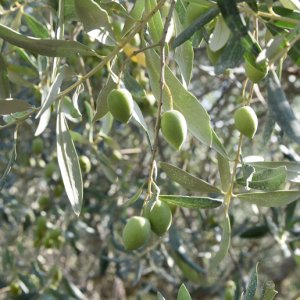
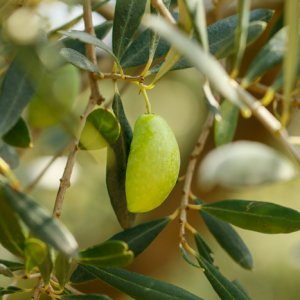
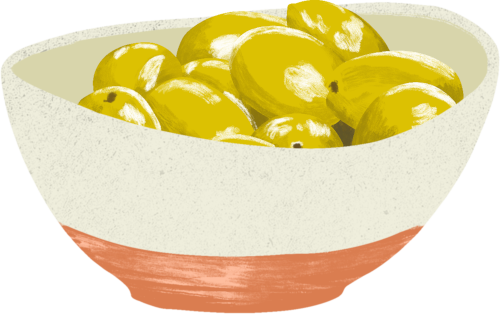
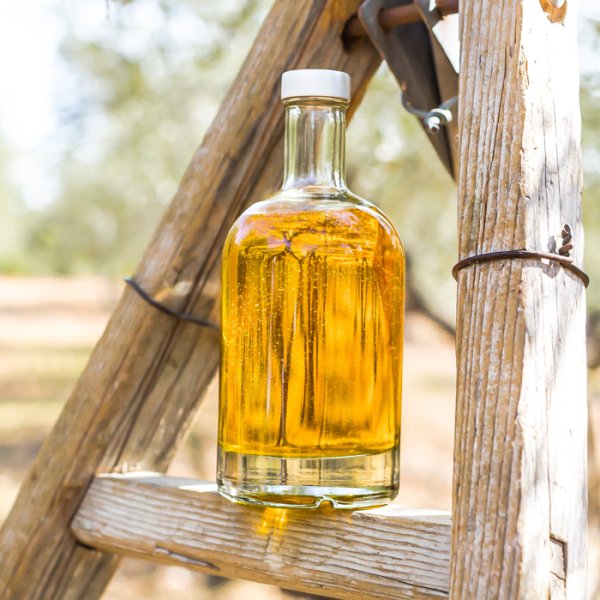
It is in the Occitanie region, more specifically in the Aude and Hérault departments, that the cradle of the most recent of the French olive oils, PDO, is to be found: Languedoc olive oil PDO. Granted Protected Designation of Origin status in 2023, it is produced from two varieties typical of this region: Lucques and Olivière. Discover this terroir!
 © France Olive
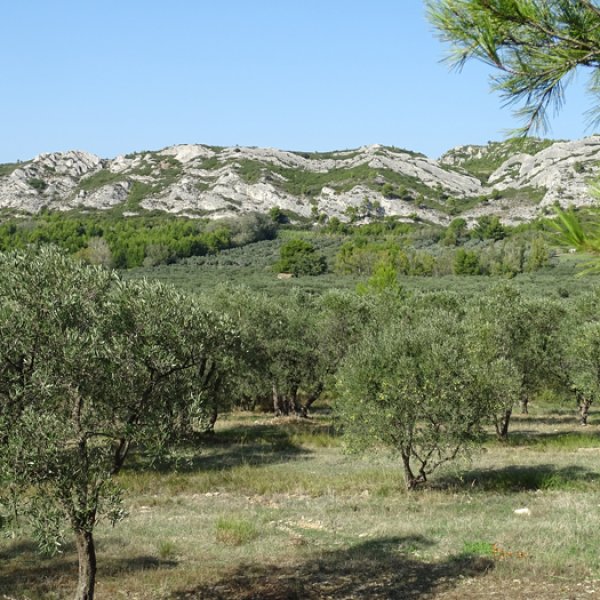
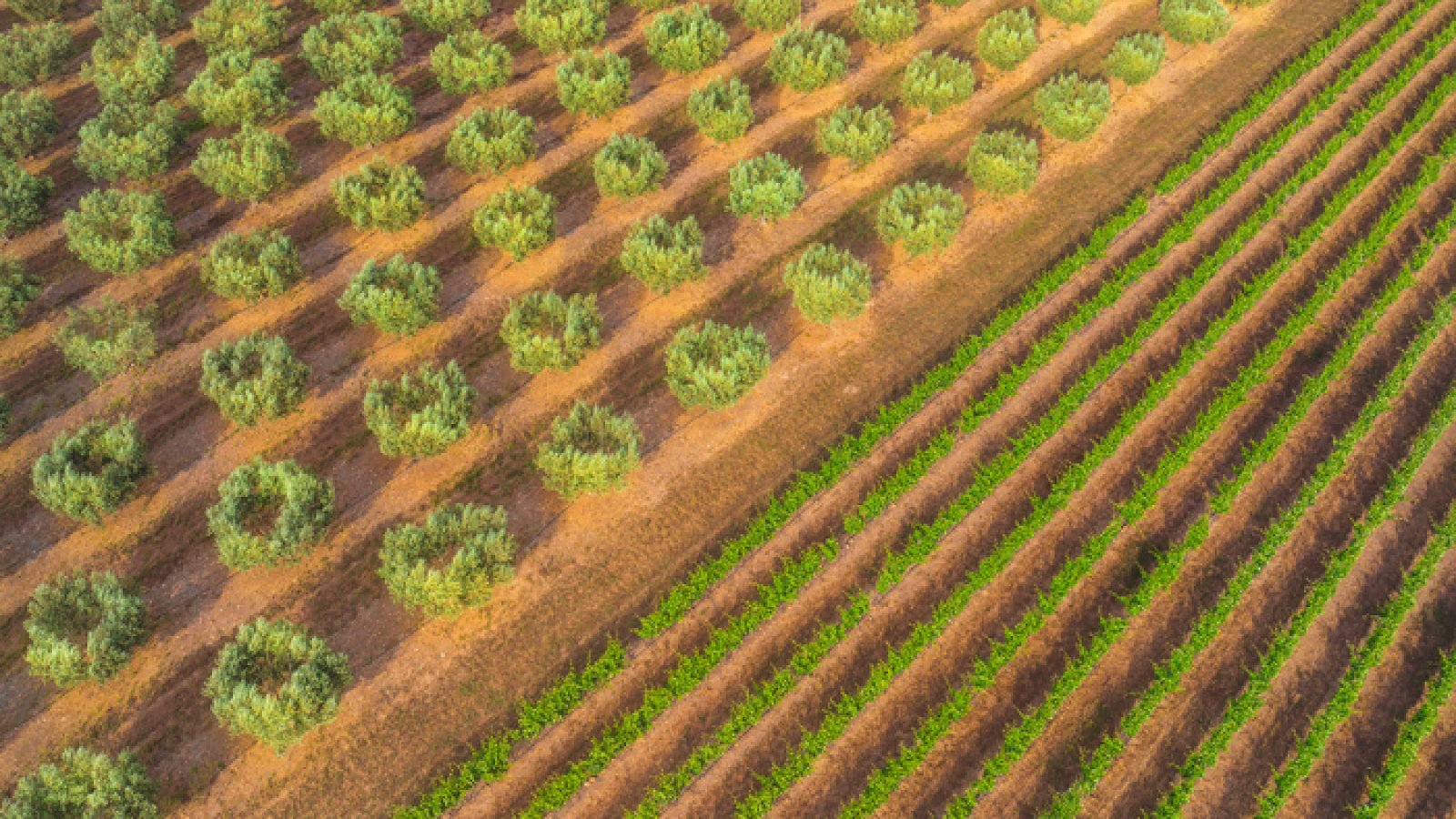
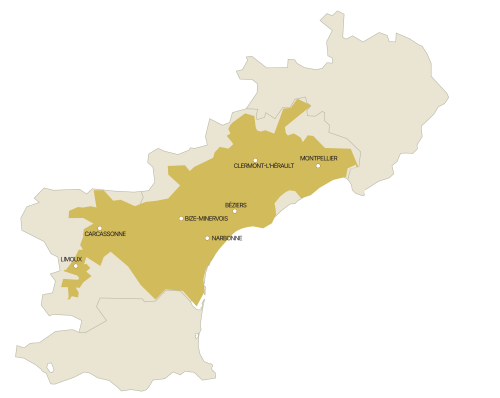
The geographical area covered by Languedoc olive oil comprises 429 Occitan communes, of which 180 are in the Aude and 249 in the Hérault. The region opens out onto the sea to the south-east and is bordered to the north and west by the foothills of the northern mountain ranges: the Causses, Caroux, Espinouse and Montagne Noire. Olive trees have long been present in the Aude and Hérault, where they have found a favourable climate (Mediterranean-type) and suitable soils. Two varieties, historically present in this region, stand out in particular: the Lucques and the Olivière are grown specifically at altitudes that rarely exceed 300 metres on well-drained, low-water-retention soils. The Lucques variety is mainly grown on sunny south-facing slopes with a moderate gradient or in old orchards laid out in well-exposed ‘banquettes’ (terraces), whilst the Olivière variety is more resistant to the cold.
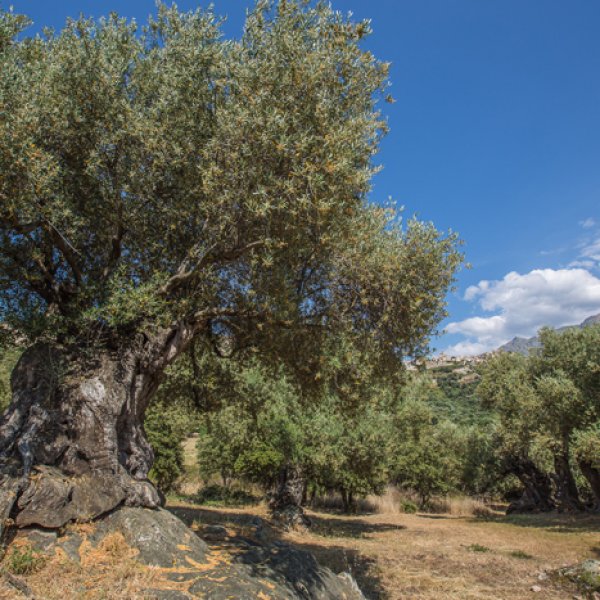
Olive oil from the Languedoc has a long history. Olive trees have long been grown in the Aude and Hérault departments, where they have found a favourable climate and soil. For centuries, they have been part of the traditional agricultural landscape of the Languedoc, alongside vineyards and cereal crops. At the start of the 20th century, the sector became more organised with the development of mills and cooperatives. Before the frost of 1956, olive growing in the Languedoc played a significant role in French production. This frost brought production to an abrupt halt, leading to the disappearance of many olive groves and mills. From the 1980s onwards, the sector gradually revived thanks to replanting, the modernisation of practices and the determination of producers to restore the region’s olive oil to its rightful place. Today, PDO continues this legacy, bridging the gap between a rich heritage and the revival of local production.