


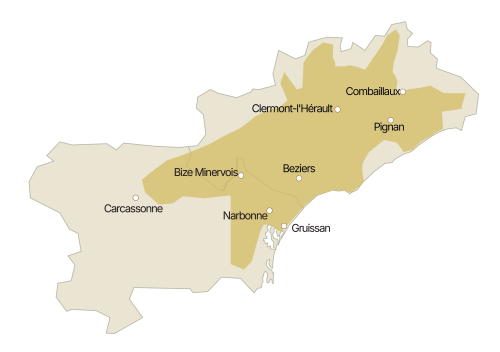
PDO olive-growing area
Lucques from Languedoc
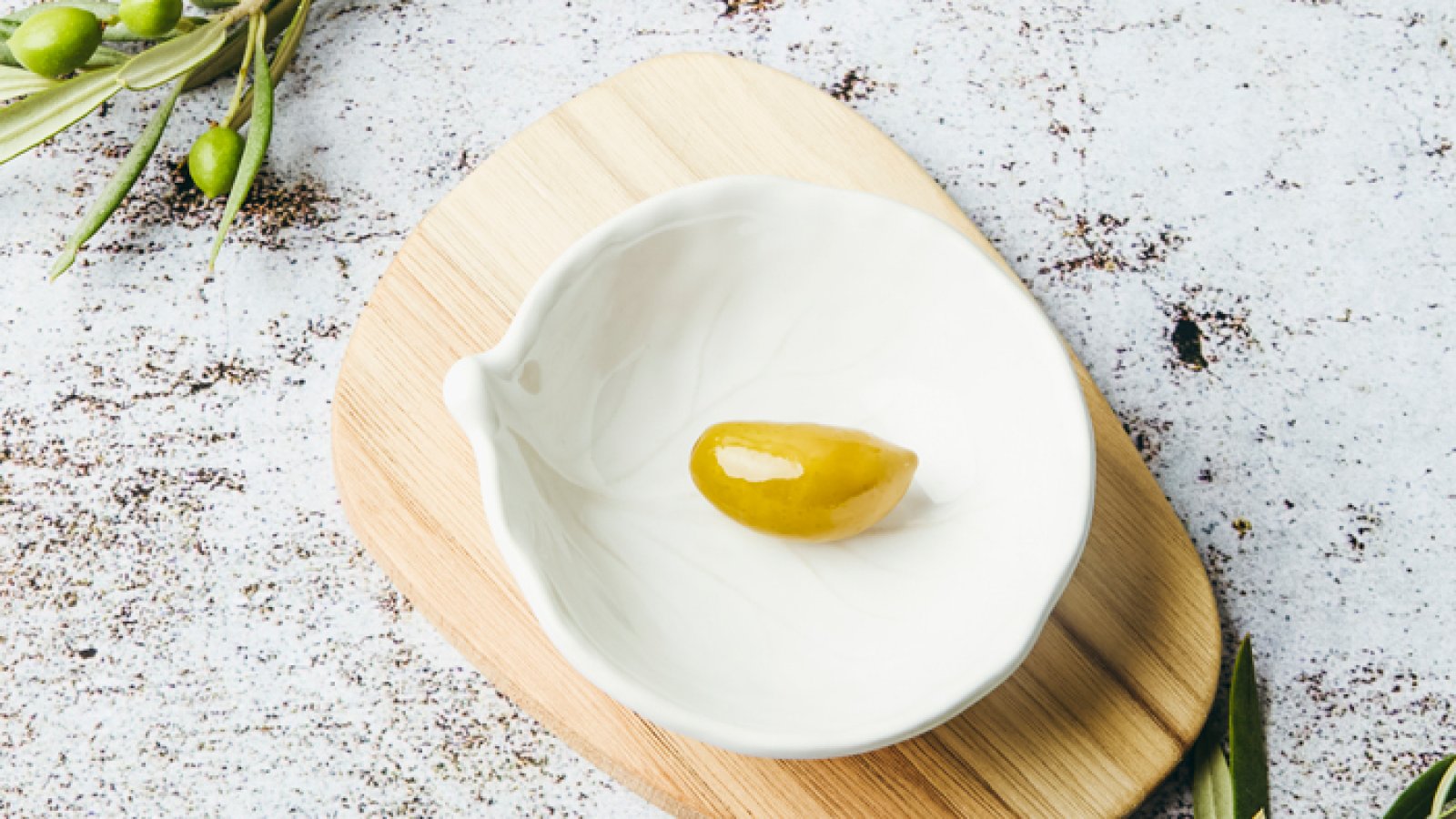
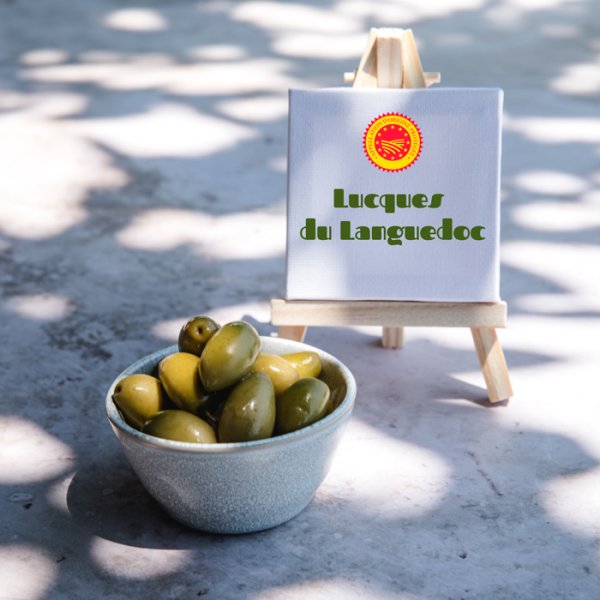
This area, situated in the Occitanie region, is the birthplace of the cultivation of an iconic olive variety: the Lucques. This green olive has held Protected Designation of Origin (PDO) status since February 2017. The ‘Lucques du Languedoc’ differs from other olives in its asymmetrical shape (its stone is crescent-shaped).
 © France Olive
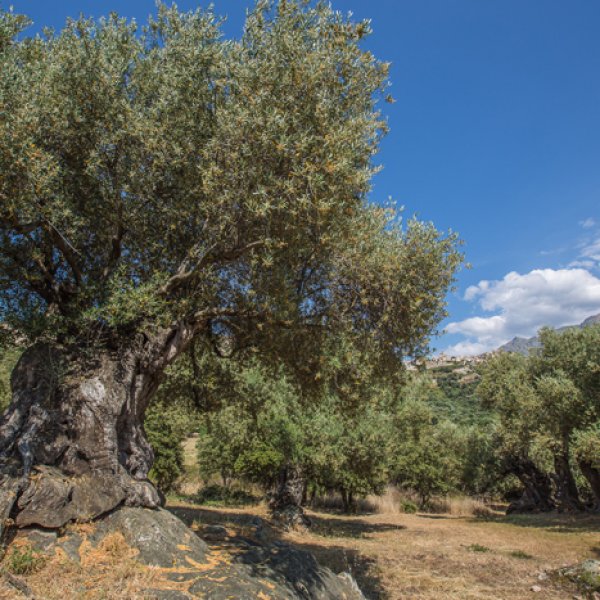
The geographical origin of ‘Lucques du Languedoc’ lies at the mouth of the Hérault Gorges. This is the historic birthplace of the Lucques variety. This area opens out onto the Mediterranean and is bordered to the north by hills, with predominantly calcareous, well-drained soils that are favourable to the Lucquier olive tree. The climate is Mediterranean (little rain and plenty of sunshine) with frequent winds that play an important role in spring. Indeed, the combined effect of the two local winds (the Mistral and the Tramontane) aids the pollination of the Lucques variety (which requires pollen from other olive varieties).
The production of ‘Lucques du Languedoc’, from cultivation through to brining (and even pasteurisation), takes place within a specific geographical area comprising 292 municipalities in the Aude (68 municipalities) and the Hérault (224 municipalities).
The Lucques variety is more demanding than other local varieties in terms of temperature (the variety does not tolerate the cold well), wind and pollination (the tree requires external pollination). Despite these specific cultivation requirements, the quality of the produce, the farmers’ attachment to this tree and its fruit, and, later on, the attractive returns from these olives were sufficient to
enable the local cultivation of this variety to flourish, whilst preventing its spread to other regions of France.