

Olives noires de la Vallée des Baux-de-Provence PDO
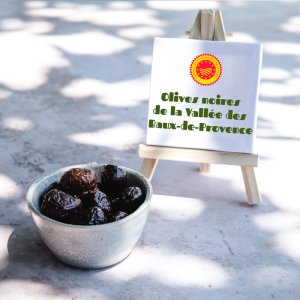
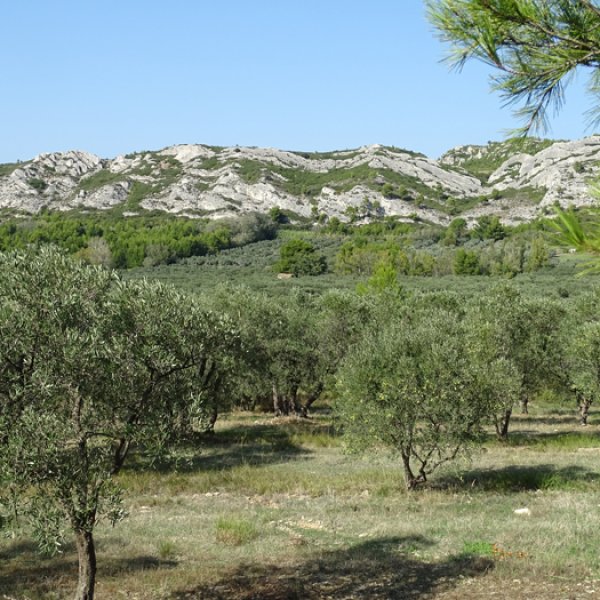
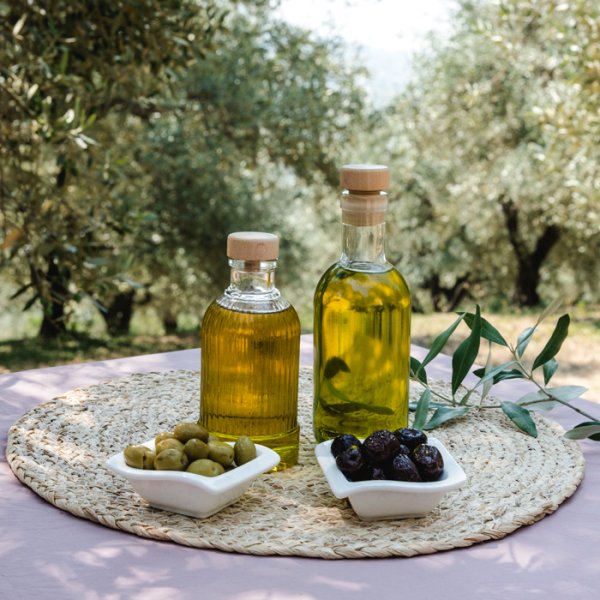
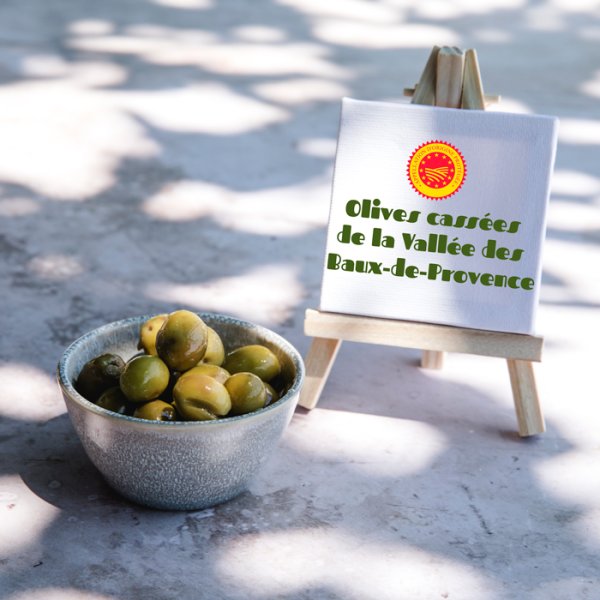
The Baux-de-Provence Valley is situated in the heart of the Alpilles Regional Nature Park in the Bouches-du-Rhône. This olive-growing region is home to four products with Protected Designation of Origin status (PDO): two olive oils with very distinct characteristics, olives cassées and olives noires de la Vallée des Baux-de-Provence PDO, which you can discover here.
What do Olives noires de la Vallée des Baux-de-Provence PDO taste like?
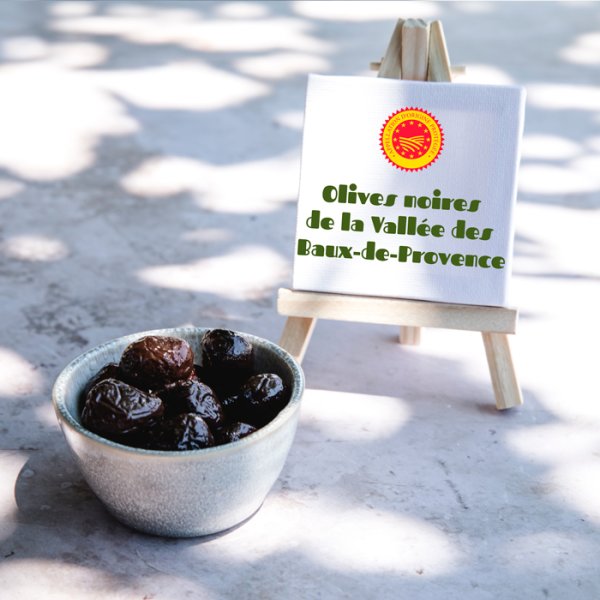
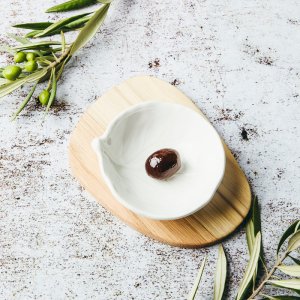
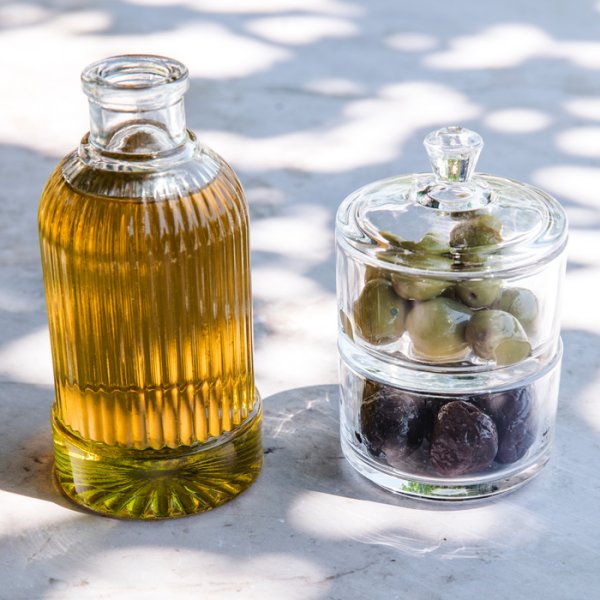
The olives noires de la Vallée des Baux-de-Provence PDO are made exclusively from the Grossane variety. They are large, short olives with a truncated base and abundant, flavourful flesh. These olives are whole and unflavoured. They exhibit one or more of the following aromas: truffle, porcini mushrooms, sourdough bread, gingerbread and red wine. A hint of bitterness may be present.
Physical characteristics
The Olives noires de la Vallée des Baux-de-Provence PDO variety
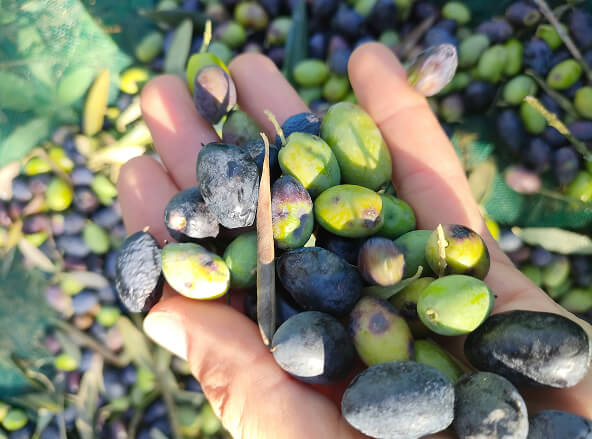
The olives noires de la Vallée des Baux-de-Provence PDO comes exclusively from the Grossane variety, which is one of the region’s ancient and traditional varieties. The Grossane variety is perfectly suited to limestone, stony and shallow soils, as well as to summer drought and wind. The climatic characteristics of the geographical area mean that the olives can be left to turn naturally black before harvesting (or, as they are known, ‘tournantes’). The traditional preparation of the olives – simply pricked and salted, or preserved in brine (after being pricked where necessary) following harvest – ensures that their specific organoleptic characteristics are preserved.
Harvesting Olives noires de la Vallée des Baux-de-Provence PDO
The climatic characteristics of the geographical area mean that Grossane olives can be left to turn naturally black (or ‘ripe’) before being harvested. The traditional preparation of the olives – simply pricked and salted, or preserved in brine (after being pricked where necessary) following harvest – helps to preserve their specific flavour characteristics.
From November to December
Preparation methods
Olives cured in sea salt
The freshly harvested olives are pricked and sprinkled with sea salt.
Preparation in brine
Whether pitted or unpitted, the olives are immersed in a brine whose density, once stabilised, must be between 1045 and 1060 degrees Baumé.
By the numbers
How to cook with Olives noires de la Vallée des Baux-de-Provence PDO
Ideal for aperitifs, the olives noires de la Vallée des Baux-de-Provence PDO can be used in a wide range of savoury dishes, particularly those served with a sauce.
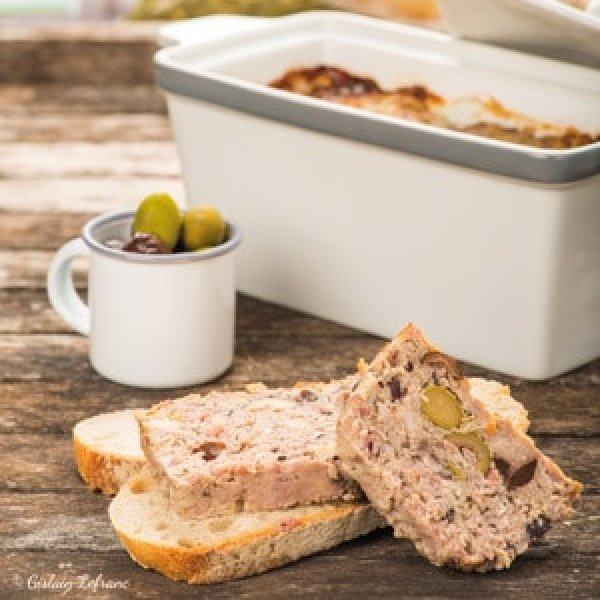
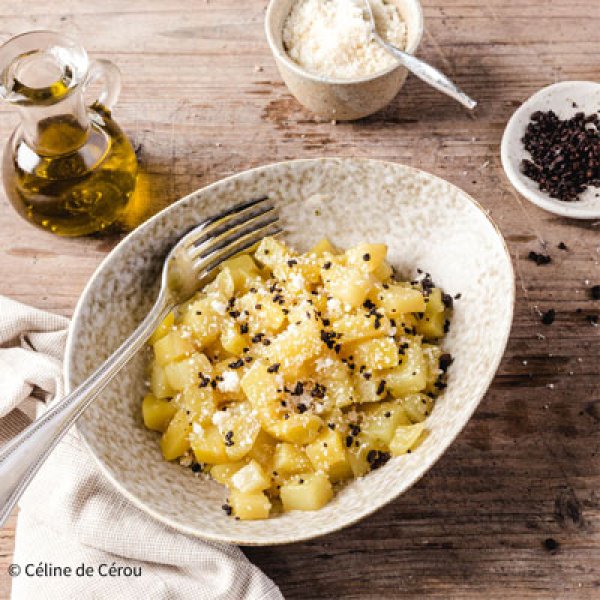
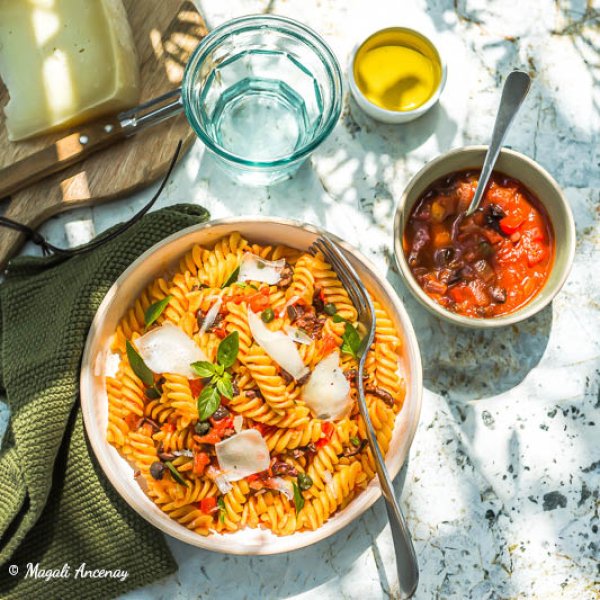
Delicious recipe ideas
Discover other products from this PDO
Discover this PDO