

Huile d'olive de Provence PDO
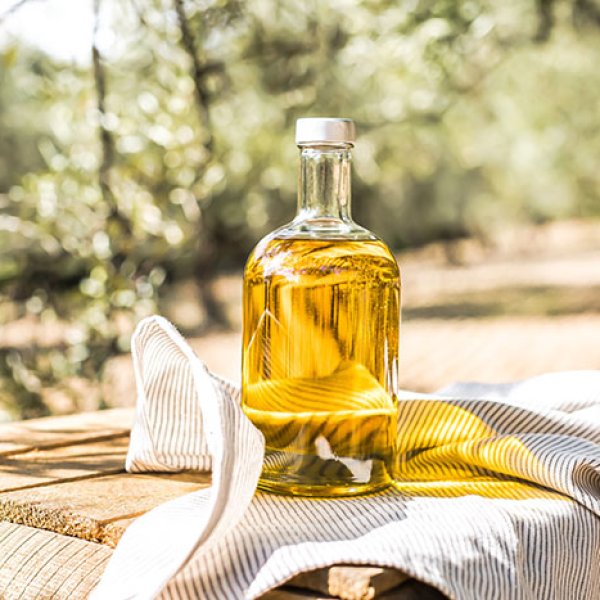
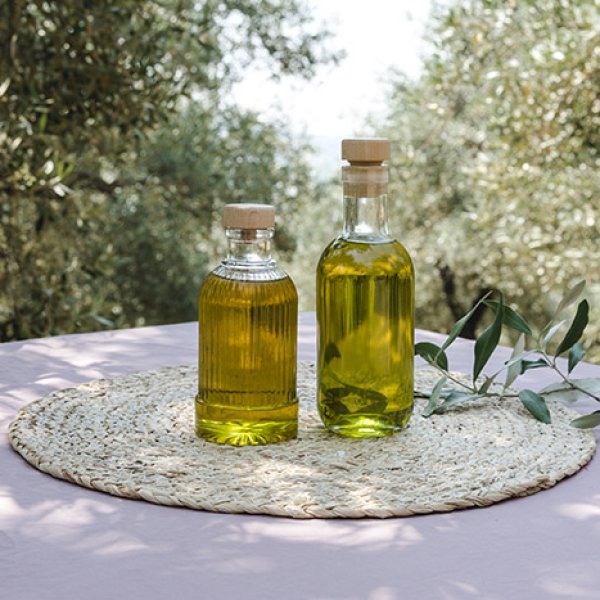
The PDO huile d'olive de Provence is a full-flavoured oil with herbaceous aromas. It may have a slight tingle on the finish.
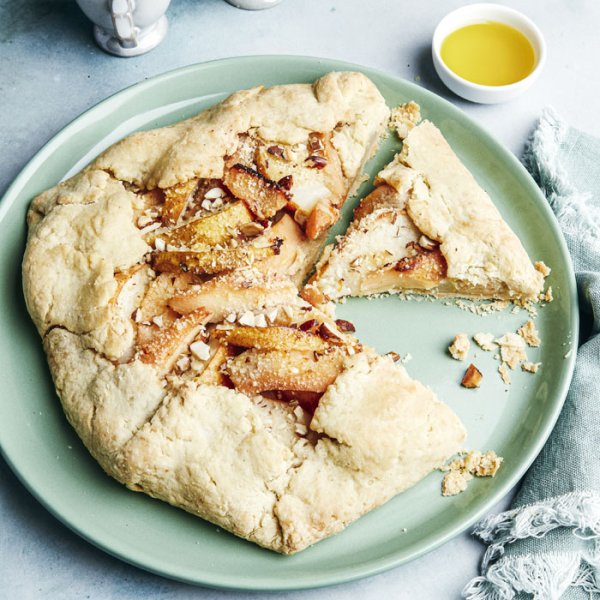
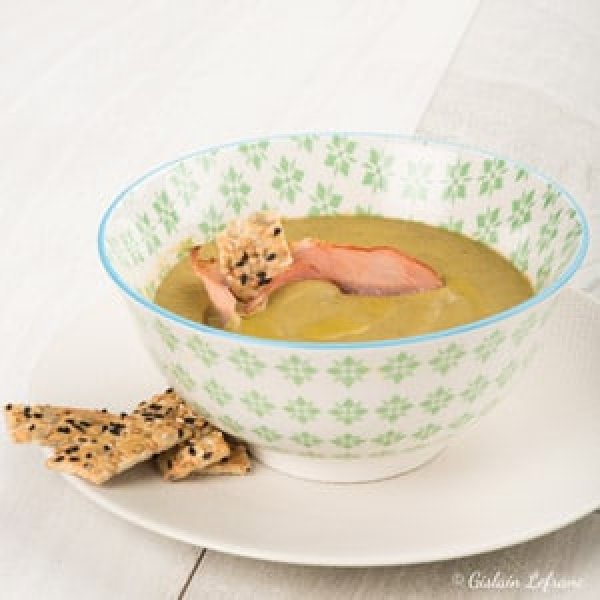
It complements and enhances both simple dishes – such as courgette purée, a green salad, a pasta salad or mashed vegetables – and more elaborate ones (such as risotto or fruit cake...).
What does Huile d'olive de Provence PDO taste like?
The PDO huile d'olive de Provence first captivates with its balance. Whether it is made from several varieties, it is recognisable by its distinct character, which is never harsh: it is characterised by a noticeable yet moderate bitterness and pungency, and aromas of fresh grass and/or raw artichoke.
The Huile d'olive de Provence PDO varieties
The PDO huile d'olive de Provence is, above all, a matter of blending, governed by precise specifications.
The main varieties are Salonenque, Aglandau, Bouteillan and Cayon. These account for at least 80 per cent of the olive trees, with at least two of these varieties required to be present. Aglandau takes pride of place: it must account for at least 30 per cent, bringing liveliness and aromatic intensity.
The secondary varieties, limited to 20 per cent, enrich the flavour profile: Picholine, Grossanne, Tanche, Brun, Cayets, Ribiers, Cayanne, Verdale des Bouches-du-Rhône, as well as the old local varieties planted before the 1956 frost, which bear witness to the history of olive growing in Provence.
Pollinator varieties, capped at 5 per cent and distributed evenly across the plot, ensure the fertilisation of the flowers.
This blend guarantees a distinctive character whilst allowing each terroir to express itself fully.
Olive harvesting for Huile d'olive de Provence PDO
The harvest shapes the character of the PDO huile d'olive de Provence.
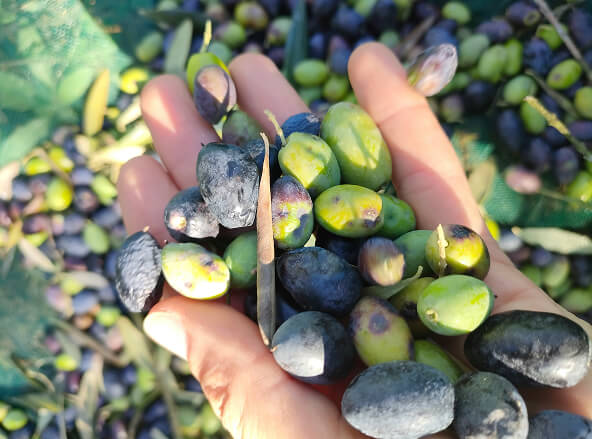
The olives are picked at the ‘turning’ stage, when the skin changes from bright green to yellow, and always before they are fully ripe, which preserves their fruitiness, bitterness and piquancy.
They are harvested by hand from the tree or using mechanical methods. In the latter case, they must be collected in nets or other containers and gathered daily.
Olives picked up from the ground or which have fallen onto the nets before harvesting are excluded, and products resulting from abscission are prohibited.
From October to December
Extraction of Huile d'olive de Provence PDO
Only sound olives are used. A small proportion of damaged olives (worm-eaten, pecked, frost-damaged, hail-damaged or browned) is permitted, but this must not exceed 10 per cent of the total number of olives in each batch. Furthermore, batches contain fewer than 30 per cent green or black olives, which ensures uniform ripeness, guaranteeing a balanced flavour.
To qualify for the ‘Huile d’olive de Provence’ designation, no more than four days may elapse between harvesting and pressing. This short timeframe minimises the risks of fermentation and oxidation, and preserves the freshness of the fruit.
The olives are transported and delivered in crates or palox containers, which protect them from being crushed and allow them to remain well-ventilated until they reach the mill.
Three simple yet crucial requirements for an oil that truly reflects its terroir.
By the numbers
Specifications
Specifications – Provence olive oil PDOHow to cook with Huile d'olive de Provence PDO
It complements and enhances everything from the simplest dishes – such as courgette soup, a green salad, a pasta salad or mashed vegetables – to more elaborate ones (such as risotto or fruit cake...).

Discover Huile d'olive de Provence – olives maturées PDO
Discover the terroir of Provence