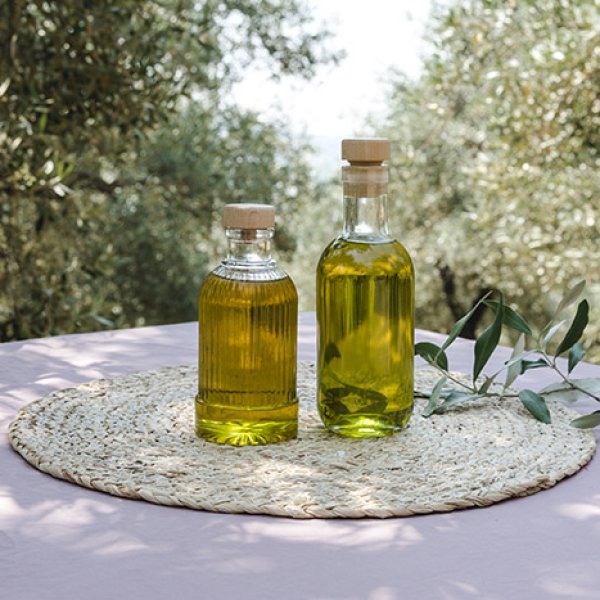


Huile d'olive de Provence – olives maturées PDO
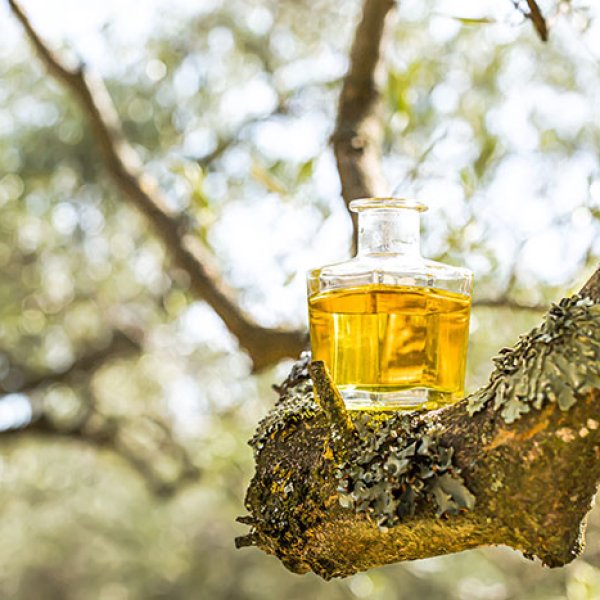
The huile d'olive de Provence – olives maturées PDO is made from olives stored at the mill for 4 to 10 days between harvesting and pressing. This fermentation takes place under controlled conditions.
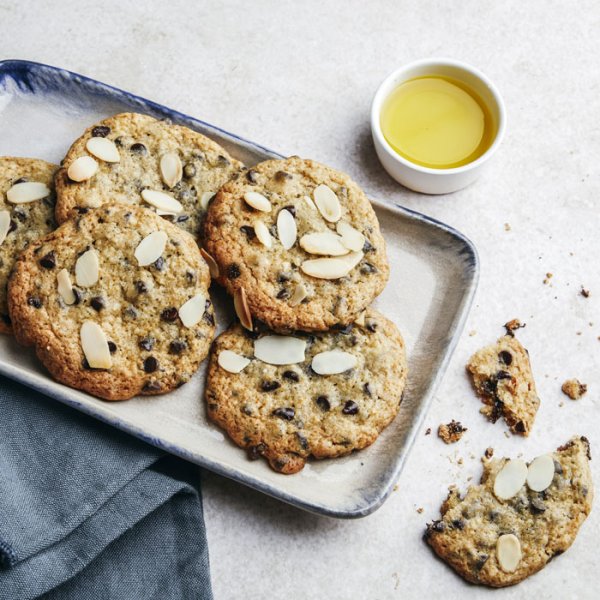
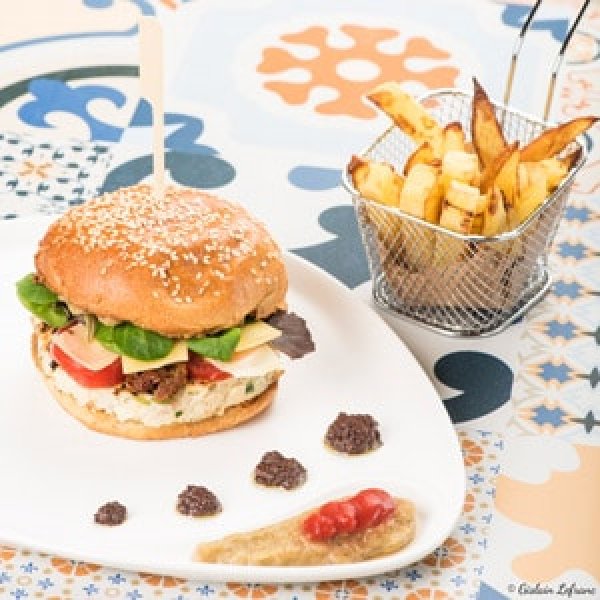
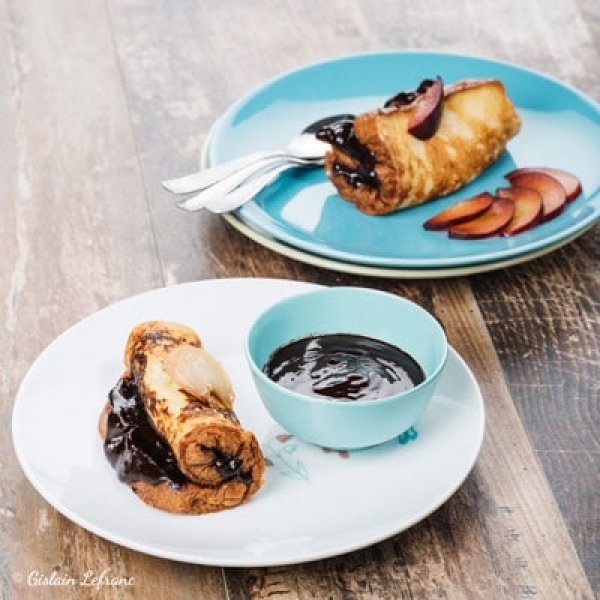
It is a full-bodied and mild oil. It is the perfect accompaniment to white, tender fish such as cod; it can be used to marinate white meats or, more simply, in the preparation of black olive breadsticks or chocolate cake.
What does Huile d'olive de Provence - olives maturées PDO taste like?
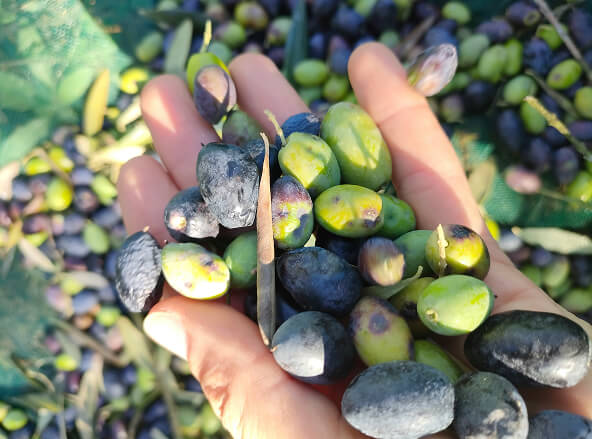
Picked when fully ripe, the olives from Provence produce an exceptionally smooth oil. The bitterness and pungency are almost entirely absent, giving way to a supple, melt-in-the-mouth texture.
On the nose, it reveals deep aromas of black olives, candied fruit, woodland undergrowth and toasted bread.
The Huile d'olive de Provence - olives maturées PDO varieties
The huile d'olive de Provence - olives maturées PDO is, above all, a matter of blending, governed by precise specifications.
The main varieties are Salonenque, Aglandau, Bouteillan and Cayon. They account for at least 80 per cent of the olive trees, with at least two varieties required to be present. Aglandau takes pride of place: it must account for at least 30 per cent, bringing liveliness and aromatic intensity.
The secondary varieties, limited to 20 per cent, enrich the flavour profile: Picholine, Grossanne, Tanche, Brun, Cayets, Ribiers, Cayanne, Verdale des Bouches-du-Rhône, as well as the old local varieties planted before the 1956 frost, which bear witness to the history of olive growing in Provence.
Pollinator varieties, capped at 5 per cent and distributed evenly across the plot, ensure the fertilisation of the flowers.
This blend guarantees a distinctive character whilst allowing each terroir to express itself.
Olive harvesting for Huile d'olive de Provence - olives maturées PDO
The harvest shapes the character of the PDO huile d'olive de Provence.
The olives are picked at the ‘turning’ stage, when the skin changes from bright green to yellow, and always before they are fully ripe, which preserves their fruitiness, bitterness and piquancy.
They are harvested by hand from the tree or using mechanical methods. In the latter case, they must be caught in nets or other containers and collected daily.
Olives picked up from the ground or which have fallen onto the nets before harvesting are excluded, and products resulting from abscission are prohibited.
From October to December
Extraction of Huile d'olive de Provence - olives maturées PDO
The olives, picked when fully ripe, are taken to the mill as quickly as possible, as the freshness of the fruit determines the quality of the oil.
They are first stripped of their leaves and washed, then crushed together with their stones to form a paste. This paste is then slowly kneaded at a low temperature to facilitate the separation of the oil without altering it. It is this cold-pressing process, carried out at temperatures below 27 °C, that preserves the aromas of black olives, candied fruit, woodland undergrowth and toasted bread.
Finally comes the separation: by centrifugation or pressing, the oil is separated from the olive pomace and the vegetable water. After a short period of settling or filtration, it is ready for bottling.
The result: a wonderfully smooth oil, almost entirely free of bitterness or pungency, with a rounded, melt-in-the-mouth texture, which retains all the richness of ripe fruit.
By the numbers
Specifications
Specifications – Provence olive oil PDOHow to cook with Huile d'olive de Provence - olives maturées PDO
This is a full-bodied, mild oil. It is ideal with white, tender fish such as cod; it can be used to marinate white meats or, quite simply, in the preparation of black olive breadsticks or chocolate cake.
Discover Huile d'olive de Provence PDO
Discover the terroir of Provence