


Huile d'olive de Haute-Provence PDO
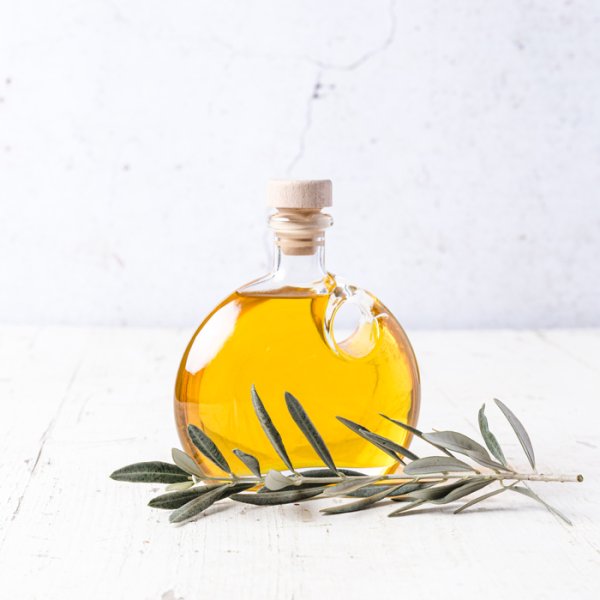

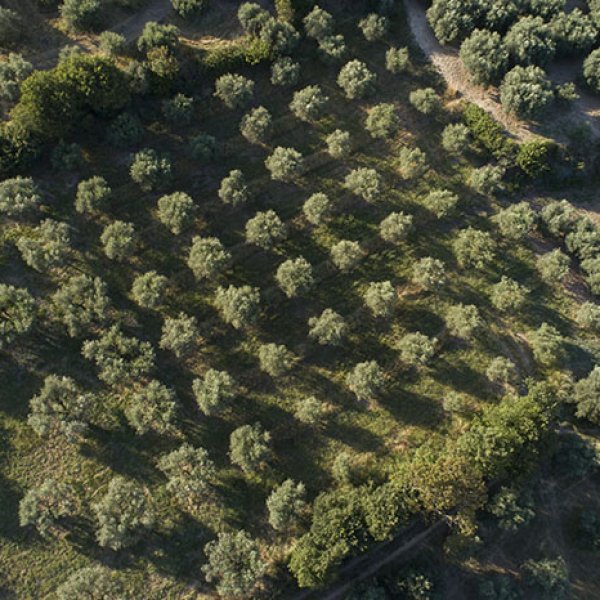
The PDO huile d'olive de Haute-Provence comes from a region situated mainly in the Alpes-de-Haute-Provence and in a few municipalities in neighbouring departments. The Aglandau olive variety predominates here; perfectly suited to the terroir, it forms the bulk of the Haute-Provence olive oil described below.
What does Huile d'olive de Haute-Provence PDO taste like?
The PDO huile d'olive de Haute-Provence is characterised by a bouquet dominated by aromas – either combined or on their own – of raw artichoke, apples, banana, freshly cut grass and fresh almonds. On the palate, raw artichoke dominates, with secondary flavours of banana, grass, apple and fresh almonds. The bitterness and pungency are moderate.
The Huile d'olive de Haute-Provence PDO varieties
Several varieties meet the specifications for the PDO huile d'olive de Haute-Provence. Aglandau is the main variety (accounting for between 80 and 100 per cent); secondary varieties are permitted, including Picholine, Bouteillan, Tanche and other traditional local varieties, notably Boube, Colombale, Estoublaisse, Filaïre, Grappier and Rosée-du-Mont-d’Or. Pollinator varieties make up a maximum of 5 per cent of the orchard.
Olive harvesting for Huile d'olive de Haute-Provence PDO
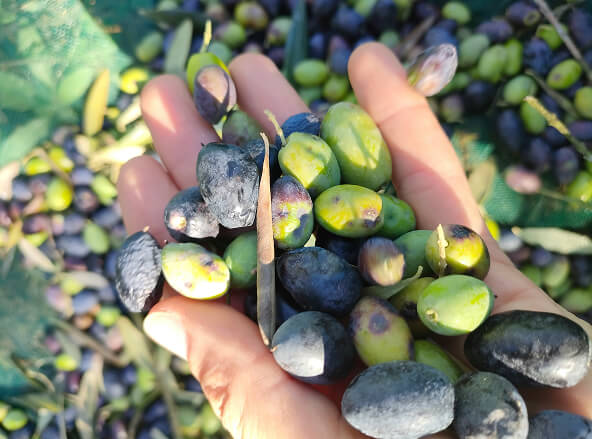
The olives are harvested directly from the tree or into nets (or other containers) and delivered to the mill no later than three days after harvesting.
From November to December
Extraction of Huile d'olive de Haute-Provence PDO
The extraction process comprises the following stages: leaf separation, washing, crushing, mixing, extraction by centrifugation or pressing, settling, centrifugation and filtration.
By the numbers
Specifications
Specifications – Provence olive oil PDOHow to cook with Huile d'olive de Haute-Provence PDO
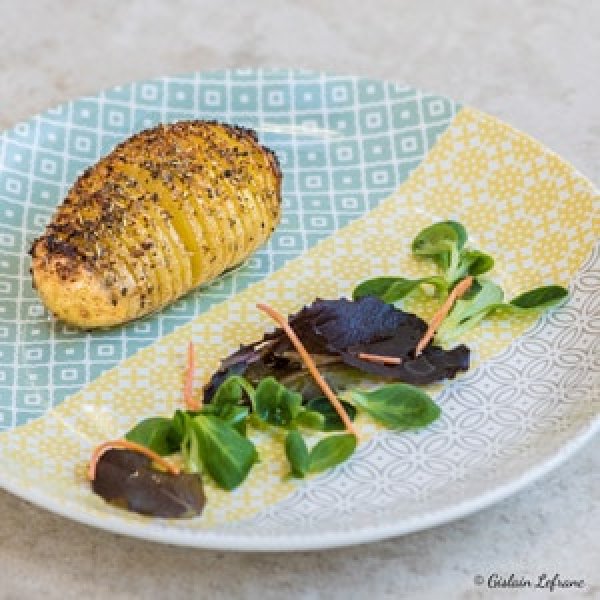
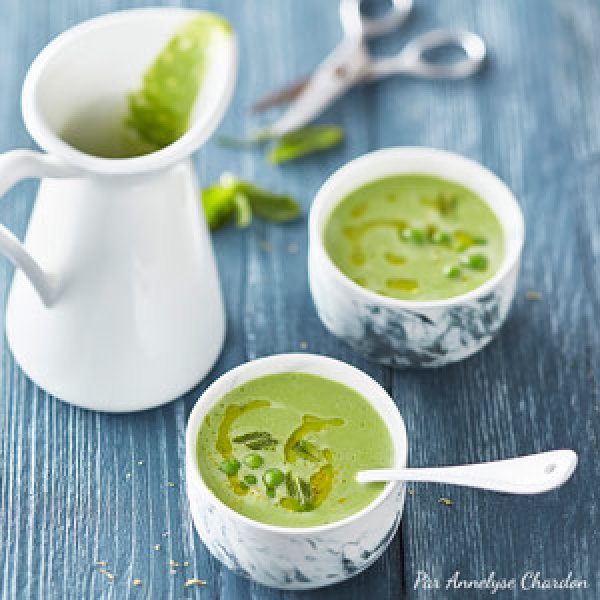
The PDO huile d'olive de Haute-Provence is ideal for cooking with summer vegetables, starchy foods, so-called ‘oily’ fish and red meat. It can also be a delightful surprise in a raspberry tart…

Discover other products from this PDO
Discover this PDO