

Olives de Nice PDO
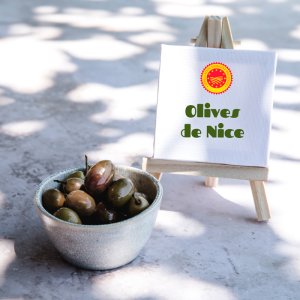
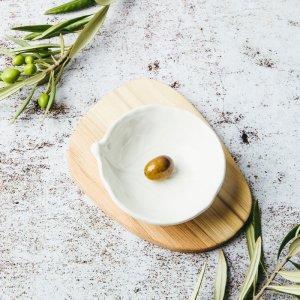
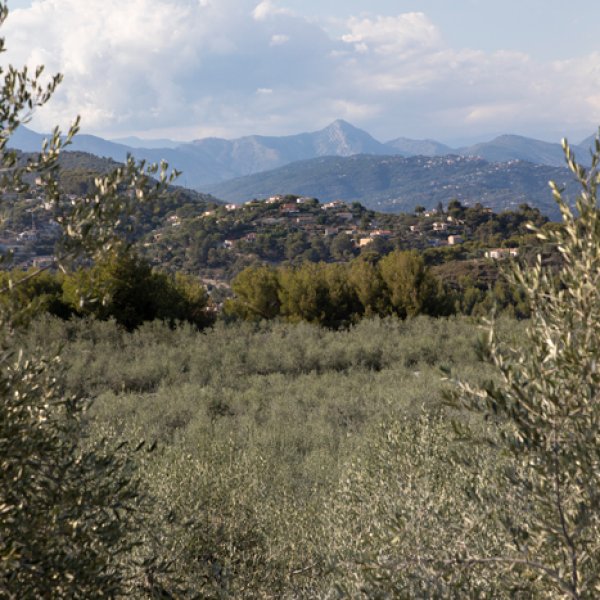
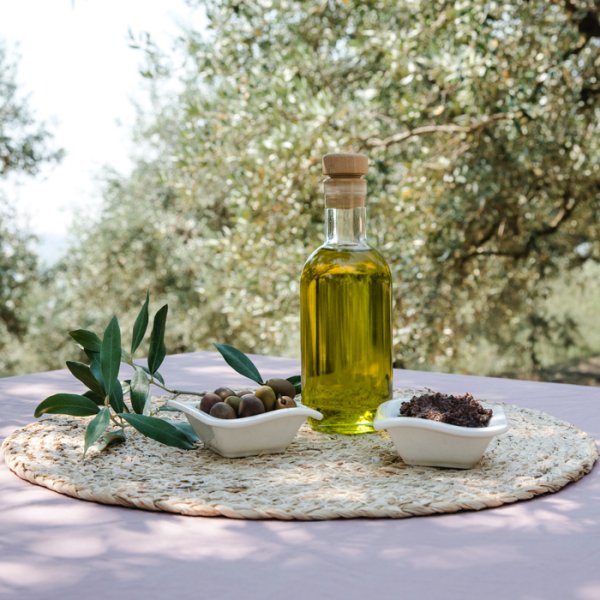
The olives de Nice PDO come from a region spanning 99 municipalities in the Alpes-Maritimes. The Cailletier olive variety is typical of this region and is used to produce three olive-based products: huile d'olive de Nice PDO, pâte d'olive de Nice PDO and olives de Nice PDO, which are described below.
What do Olives de Nice PDO taste like?
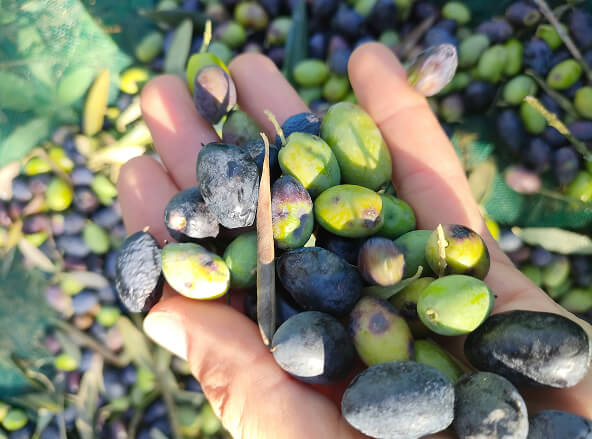
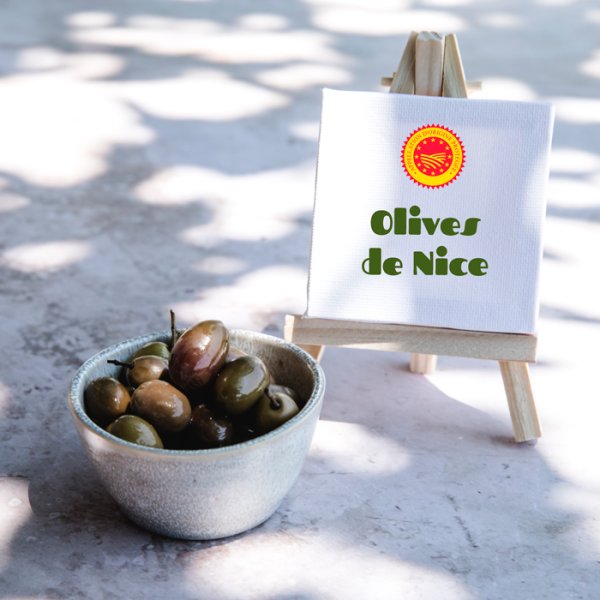
The olives de Nice PDO, exclusively of the Cailletier variety, range in colour from yellowish-green to brown, or from wine-coloured to purplish-black. They have a smooth skin, firm flesh, and the pulp separates easily from the stone. They are slightly bitter, but never sour or overly salty. The olives de Nice PDO have typical aromas of candied fruit (prunes, cherries), clafoutis and dried fruit, as well as notes of aged wine and leather. They are whole, unbroken, uncut and unflavoured.
Physical characteristics
The Olives de Nice PDO variety
In this unique geological and soil-climate context, characterised by the absence of strong winds, the Cailletier variety has, over the centuries, established itself as the dominant variety in the orchards of Nice, providing ideal conditions for the cultivation of distinctive olives. The Cailletier variety is grown in all the olive-growing municipalities within the geographical area. The tree has an upright habit and a wide spread. Its large size sometimes gives rise to semi-forest-like stands. The tree’s natural shape is pyramidal, with long, drooping branches that are not particularly abundant. The fruits hang down, often attached to the branch by a long stalk, and are generally solitary. This variety is so intimately linked to the olive-growing landscape of Nice that the synonyms associated with it are: Petite olive de Nice, Olivier de Grasse (the name of a town near Nice) or Grassenc.
Harvesting Olives de Nice PDO
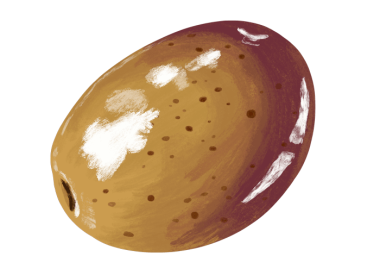
Table olives are made from Cailletier olives harvested no earlier than the onset of ripening. The olives are picked directly from the tree, or harvested using traditional beating methods or mechanical processes. Harvesting is no easy task, as the olive groves are situated on moderate to steep slopes (10 to 30 per cent) with horizontal terraces built on slopes laid out in ‘restanques’.
December to March
Preparation method
In brine
The 'olives de confiserie' are preserved in brine for a minimum period of three months before being prepared as table olives.
The olives used must be:
- sound, i.e. free from insect damage or disease. However, a tolerance of 5 per cent of the olives used showing signs of insect damage or disease is permitted, with the exception of worm-eaten olives, which are entirely excluded;
- smooth, whole, uncrushed and uncracked;
- of varying colour, ranging from yellowish-green to brown or from wine-coloured to purplish-black.
The presence of varying numbers of stalks, whether attached to the olives or loose in the brine, is accepted.
By the numbers
Specifications
Specifications – Nice Olive PDOHow to cook with Olives de Nice PDO
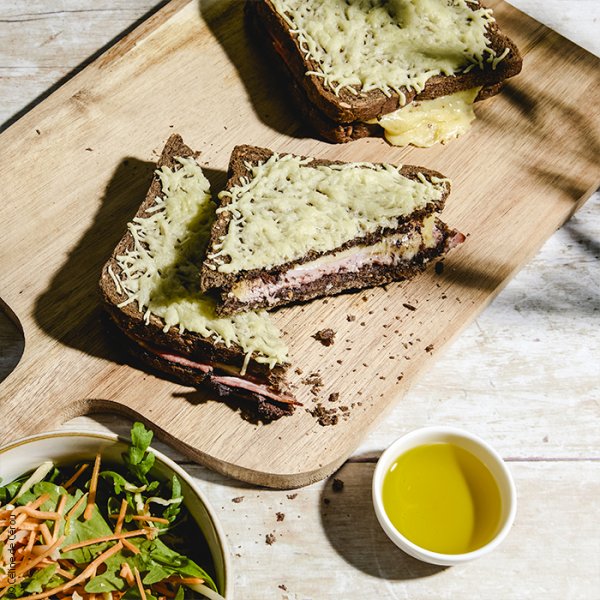
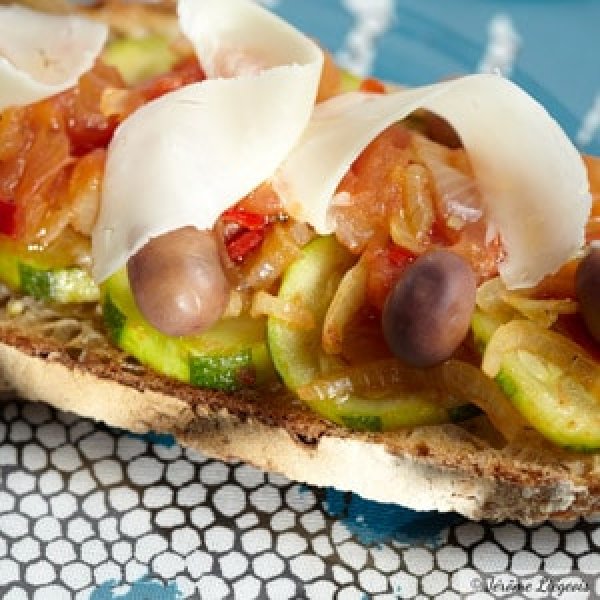
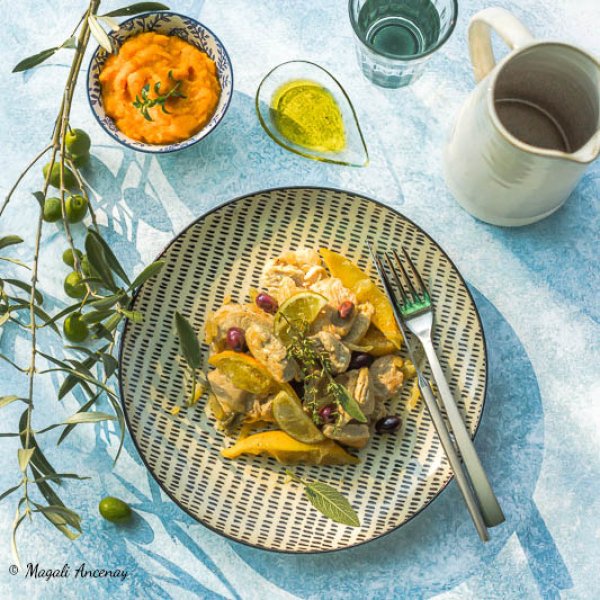
Ideal for aperitifs, the olives de Nice PDO is also used in many culinary specialities from Nice and the Mediterranean.
Discover other products from this PDO
Discover this PDO